
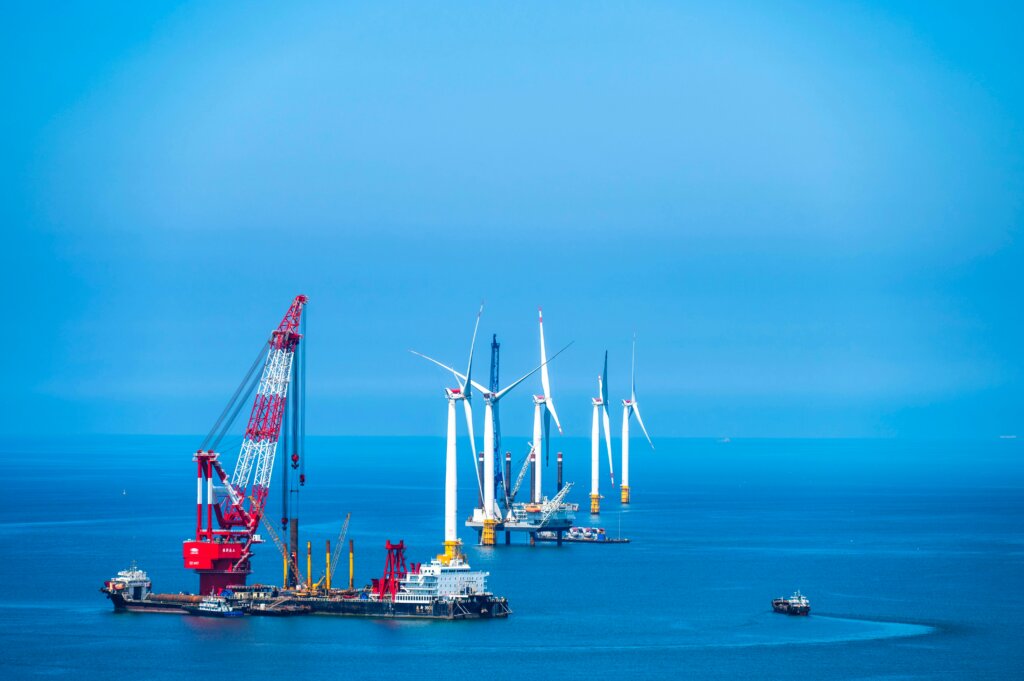
Net Zero aspirations driving a shift towards low carbon technology, the number of MAS is set to grow exponentially, with aging structures set for decommissioning. As these structures have significant footprints at all life-cycle stages this transition will inevitably lead to environmental, social, and economic trade-offs.
There is an evident risk that our actions to address the climate crisis could exacerbate the biodiversity crisis, and also lead to a range of detrimental impacts across wider sectors. This tension is recognised, for example by Clean Power 2030: Action Plan: A new era of clean electricity , “the government is committed to accelerating to net zero, to delivering clean power by 2030, and also to restoring nature”, and The Crown Estate’s Marine Delivery Route map which aims to “incentivise best environmental practice”. To address this risk there is a need to better understand the economic, social and ecological values of MAS, how they are embedded in governance structures, and how these values change under realistic future scenarios.
Previous research has demonstrated the importance of repurposing and designing MAS to contribute to carbon removal and biodiversity targets. However, evidence gaps remain including impacts on ecological functioning and cumulative effects, and interactions with climate change, fisheries, cross-industry marine management, and social priorities.
VALMAS builds on previous and ongoing research to address these gaps, harmonising the energy transition with broader environmental, social, and economic goals, through the application of natural capital and valuation approaches. Focusing on blue carbon, fisheries and biodiversity, VALMAS couples state-of-the-art modelling with innovative field and analytical techniques, bringing in wider economic and social values using monetary valuation and interactive deliberative approaches. Embedding the research in a policy context, changes in values will be determined under a range of co-designed management scenarios. A suite of robust and accessible Decision Support Tools will be generated facilitating public and private sector decision-makers in evaluating trade-offs, minimising negative impacts, and exploiting nature-positive opportunities.
This transdisciplinary approach brings together expertise in natural capital and ecosystem services, environmental and ecological economics, social science, marine ecology and modelling, governance, law, digital technologies and engineering, with committed support from government and industry.
VALMAS outcomes include:
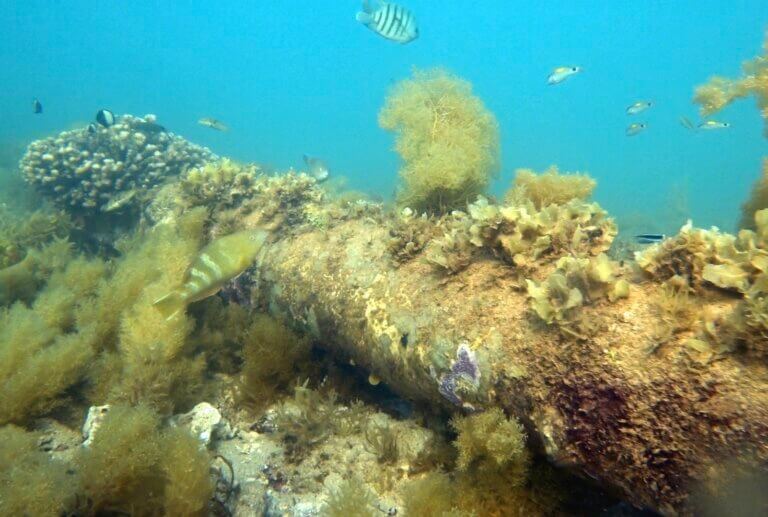
Introducing CoRRODE Image credit: Dr Alethea Madgett Exposure to the subsea environment gradually degrades pipelines,...

Introducing READ-ME Through evidence synthesis, robust social science, advanced stakeholder engagement and immersive 3D visualisation,...
We regularly publish updates on the projects that are directly funded by the Programme and other related research. If you would like to be kept up to date, sign up for our Connections newsletter.