
Through photogrammetry, AI and close industry collaboration, NS3D is revealing how much marine life thrives on North Sea structures – crucial data for future decommissioning choices.
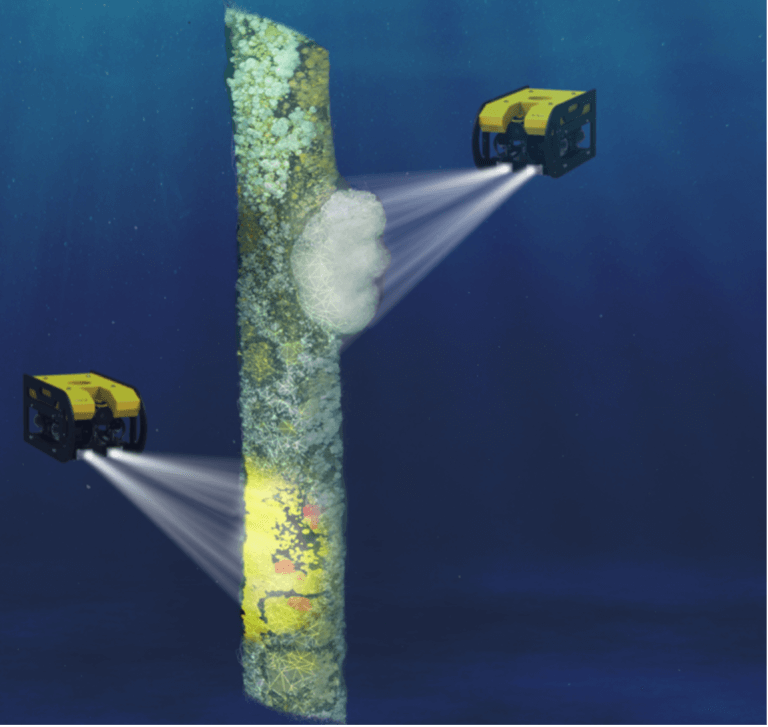
With a growing number of decommissioning projects worldwide, as ageing structures reach the end of their life cycle, AT-SEA has addressed the urgent need for efficient, cost-effective, and regulator-approved survey methods, without setting foot on a boat.
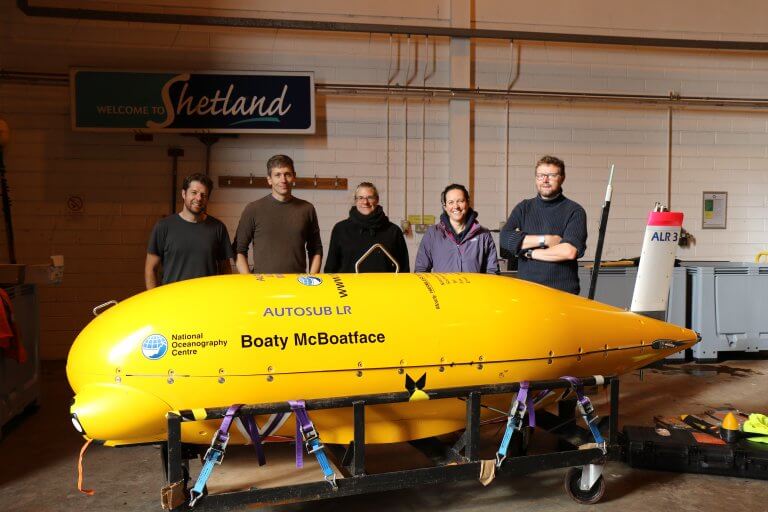
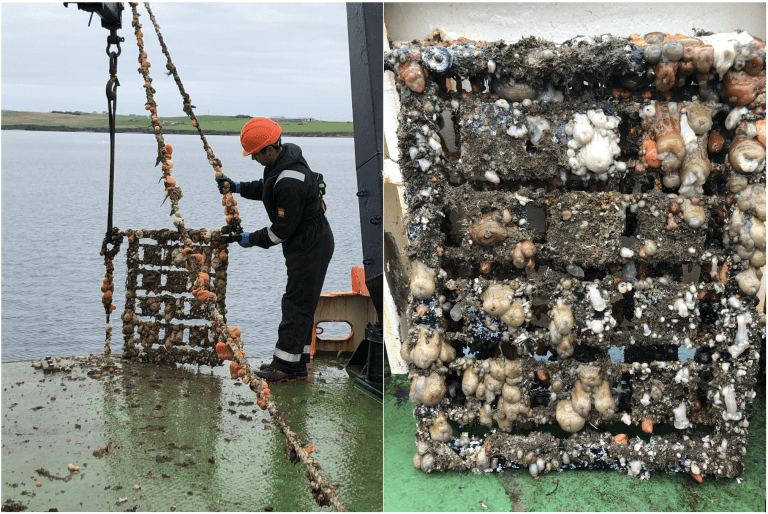
Assessing genetic connectivity and predicting larval dispersion following installation and decommissioning of marine artificial structures (MAS) under various climate scenarios.
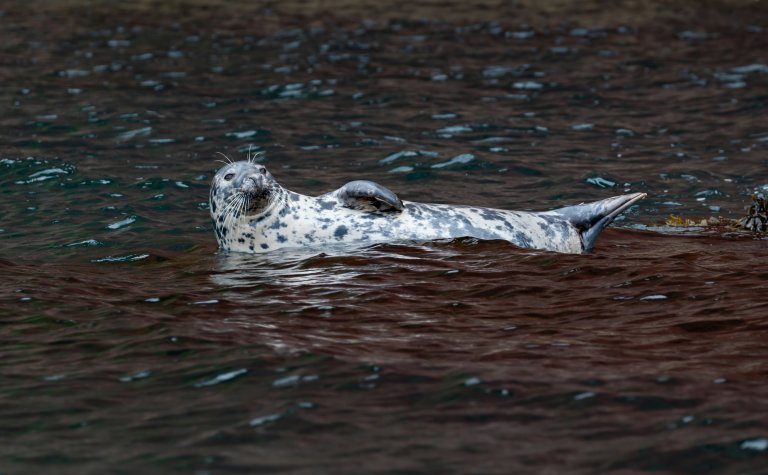
Uncovering the impacts of man-made structures from the bottom of the food chain all the way to the top, EcoSTAR uses tracking data to study marine mammals as indicators of ecosystem health whilst addressing data gaps on benthic ecosystems and modelling the effects of Man-Made Structures (MMS), climate change and fisheries.
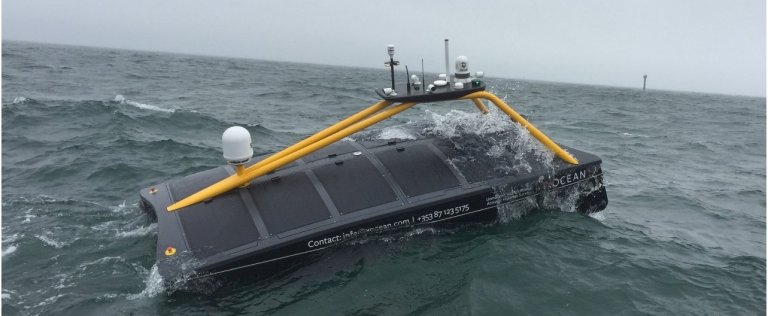
Uncrewed Surface Vehicles (USVs) have revealed that man-made offshore structures, like oil rigs and wind farms, attract dense populations of fish — extending up to 20km away.
Platforms shape local seabed life — with signs of adaptation and lessons for future monitoring.
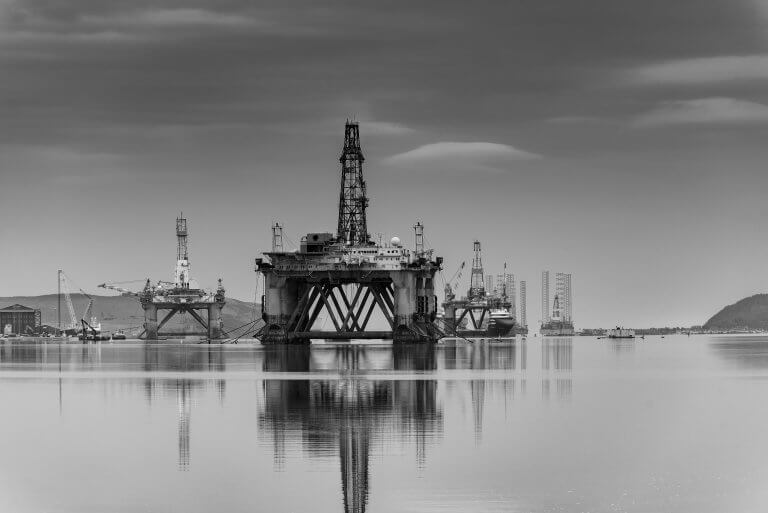
Scientific experts from around the world agree that complete removal of man-made structures (MMS) may not be best option. A case-by-case approach, that takes into account trade-offs at a local level, is needed. Repurposing or abandoning were options that were identified as having the greatest potential to contribute to international environmental targets.

INSITE disseminates findings through diverse channels including major conferences such as the Marine Alliance of Science and Technology Annual Science Meeting and International Council for Exploration of the Seas Annual Science Meeting, as well as the INSITE-managed annual Structures In the Marine Environment conference, and other INSITE policy briefs, webinars and website updates.
INSITE provides more targeted stakeholder briefings, engaging with UK government bodies including Department for Environment, Food and Rural Affairs, Scottish Government, Joint Nature Conservation Committee, Natural England, NatureScot, Marine Management Organisation, OPRED, Department for Energy Security and Net Zero, North Sea Transition Authority, The Crown Estate and Crown Estate Scotland, alongside OSPAR and industry groups, such as Offshore Energies UK and International Association of Oil and Gas Producers.
If you would like a briefing on any INSITE research please contact us here.
We regularly publish updates on the projects that are directly funded by the Programme and other related research. If you would like to be kept up to date, sign up for our Connections newsletter.