
INSITE is an independent science programme examining the environmental & social effects of Marine Artificial Structures in the North Sea
INSITE (Influence of marine artificial Structures In The Ecosystem) is an industry-funded research programme supporting rigorous, independent, high-quality research. Its mission is to build the scientific evidence base needed to understand the effects of MAS and to guide sustainable management and marine policy into the future.
INSITE is a leading research programme dedicated to understanding the ecological and social roles of Marine Artificial Structures (MAS) in the North Sea. These structures, including oil and gas platforms, pipelines, offshore wind installations and shipwrecks form an intricate network across the UK and wider European continental shelf. They support diverse marine life, shape sediment, and water movement aswell as creating habitats that can both benefit and challenge ecosystem health.
Beyond environmental influence, MAS also shape public attitudes, community perspectives, and societal expectations about how our seas are used and managed. Gaining a fuller picture of their impacts across all stages of the life cycle, from installation and operation to decommissioning and potential repurposing, is essential for informing policy, responsible stewardship, and strategic decision-making in an increasingly busy and dynamic seascape.
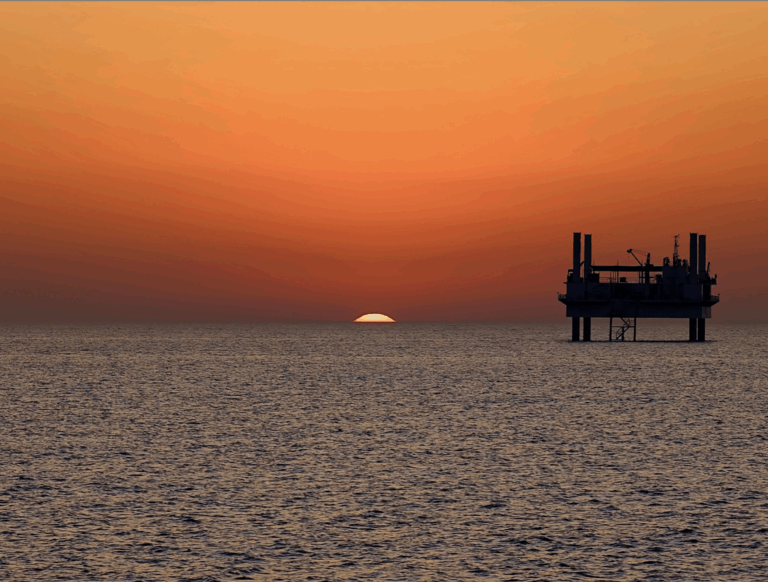
With around 99% of the North Sea naturally made up of sandy or muddy seabeds, the growing presence of offshore hard substrate infrastructure is drawing increasing attention from those who share and manage this marine space. Marine Artificial Structures introduce new and altered habitats that can influence biodiversity and affect ecosystem processes in surrounding areas. Yet evidence of their wider ecological and social implications remains limited.
INSITE was created to expand this knowledge base, providing robust scientific insights into how marine life and ecosystem functions may be affected, and exploring how society perceives and values offshore environments. These perspectives are central to shaping future decisions about the management, decommissioning and potential repurposing of structures at sea.
Since its launch in 2015, INSITE has supported 18 research projects across two phases, involving 17 institutions from five countries and investing nearly £10 million in funding. Now in its third phase (2024–2027), the INSITE programme is generating new evidence to strengthen the connection between science, industry and policy by assessing the ecological and social value of MAS. Phase 3 research is being delivered through two focused projects investigating contaminants in pipelines and social attitudes and perceptions of offshore structures.
Phase 1 (2015–2017) established the first-ever UK Joint Industry Partnership (JIP) to explore how Marine Artificial Structures influence the marine environment. This first of a kind collaboration between academia and industry provided the foundation for a new evidence base, setting the direction for future research on Marine Artificial Structures and their ecological significance.
Phase 2 (2018-2021) then expanded and strengthened the JIP, bringing in additional support from the Natural Environment Research Council (NERC) and Cefas. This phase extended the scientific scope of INSITE, deepening understanding of biodiversity, connectivity, and ecosystem processes around artificial structures, while further embedding collaboration between industry, researchers, and regulators.
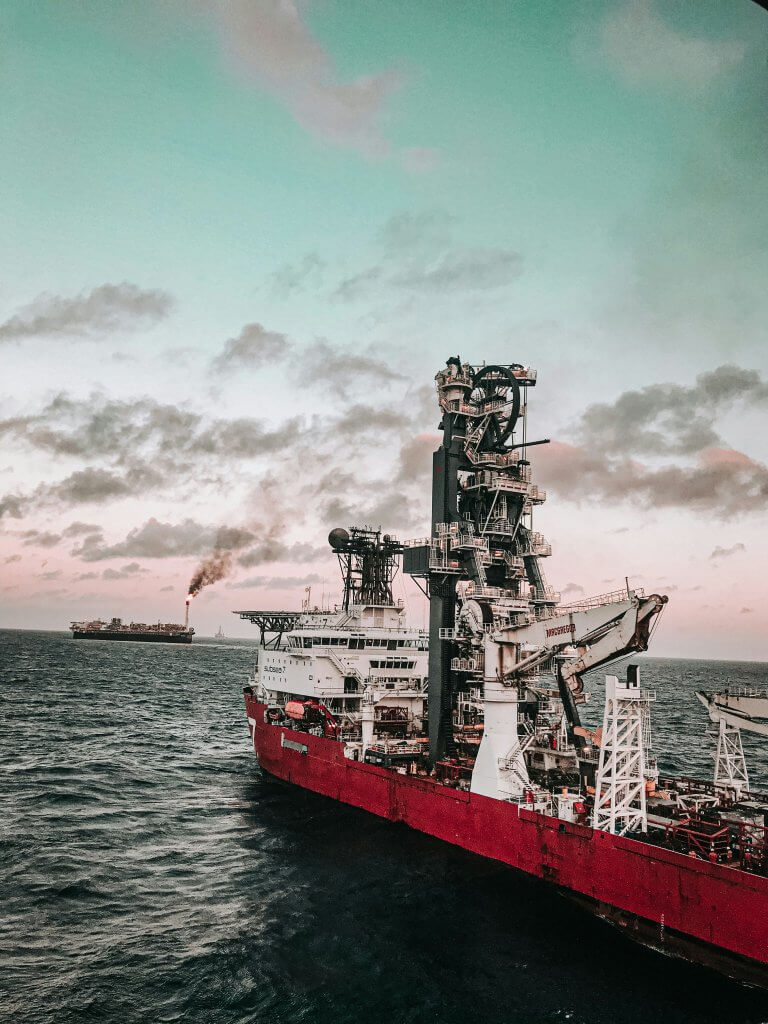
Phase 3 (2024–2027) marks the first formal partnership between NERC and the Joint Industry Partnership. With over £2 million in core industry funding and a £5 million NERC collaboration, this phase is set to focus on generating independent scientific evidence to inform decommissioning strategies, assess the ecological value of Marine Artificial Structures, and bridge the gap between science and policy.
It also introduces new research themes on decommissioning impacts, pipeline degradation, and public perceptions, alongside continued stakeholder engagement across government, academia, and industry.
The INSITE North Sea Programme is funded by an Industry Executive Committee (IEC) comprising of 9 oil and gas partners who work collectively to identify priority research themes, facilitate access to field sites and data, and bring global industry experience into the scientific conversation.
The programme is independently managed by HMC, who direct and oversee all aspects of delivery from project scoping to completion. The HMC team includes experienced marine and environmental professionals who specialise in translating complex science into practical impact. With backgrounds across research, policy, and stakeholder engagement, they ensure that INSITE operates effectively, maintains scientific integrity, and produces meaningful outcomes.
Scientific oversight is provided by an independent Scientific Advisory Group (SAG), a panel of experts in marine ecology, offshore structures and social sciences. The SAG guides the programme’s scientific quality, reviews research proposals, monitors progress and ensures the work remains objective, robust, and aligned with policy and stakeholder needs. Their insight helps steer research on offshore decommissioning and the ecological implications of MAS.
Together, this four-part structure underpins a transparent, collaborative, and scientifically robust programme.
The latest news and updates from INSITE.
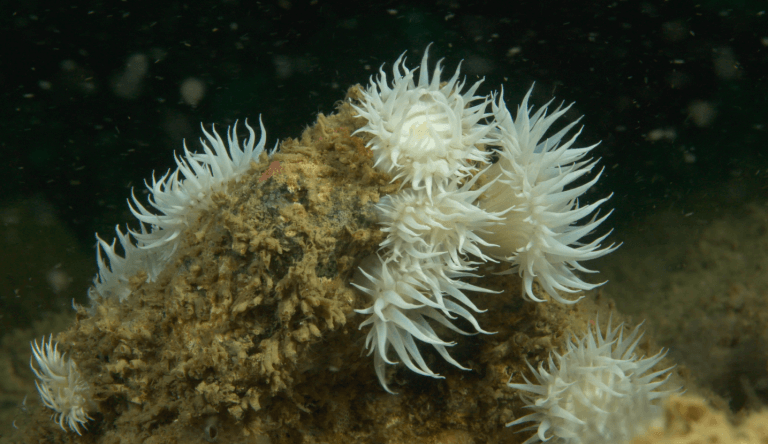
INSITE, the independent science programme examining the effects of manmade structures on the ecology of the North Sea, is launching a series of free webinars.

A new podcast explores the growing interest in and research about man-made structures in the North Sea.
We regularly publish updates on the projects that are directly funded by the Programme and other related research. If you would like to be kept up to date, sign up for our Connections newsletter.