
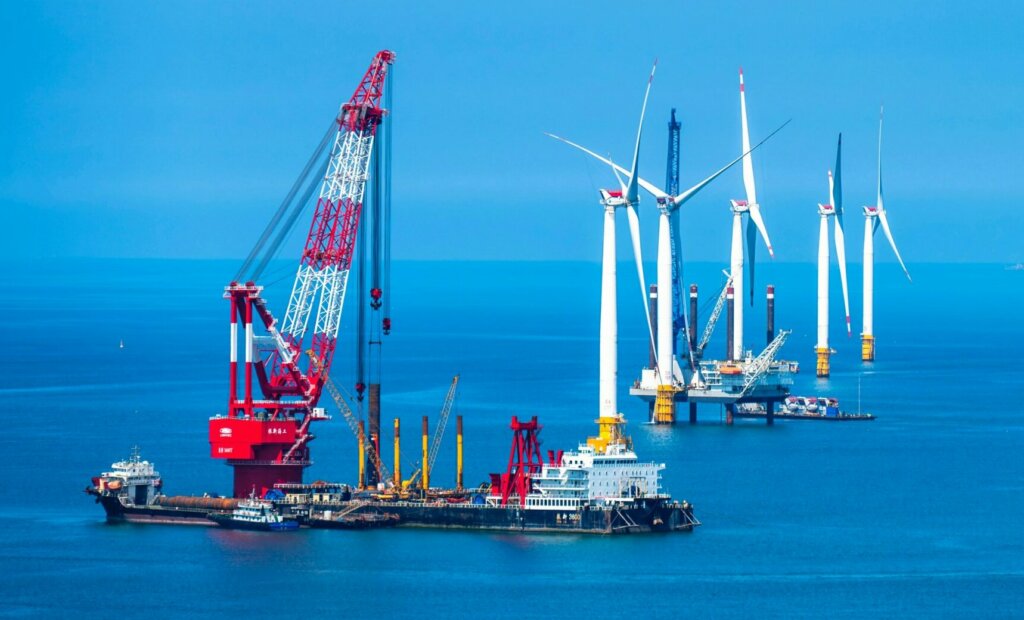
The transition to NetZero is driving rapid growth in Marine Artificial Structures (MAS), alongside the decommissioning of ageing infrastructure. While essential for low-carbon energy, these developments carry significant environmental, social, and economic implications across their life cycle. There is a growing risk that efforts to tackle climate change could unintentionally worsen biodiversity loss and create wider sectoral impacts. Recognising this challenge, initiatives such as Clean Power 2030 and The Crown Estate’s Marine Delivery Route Map emphasise the need to balance clean energy expansion with nature restoration.
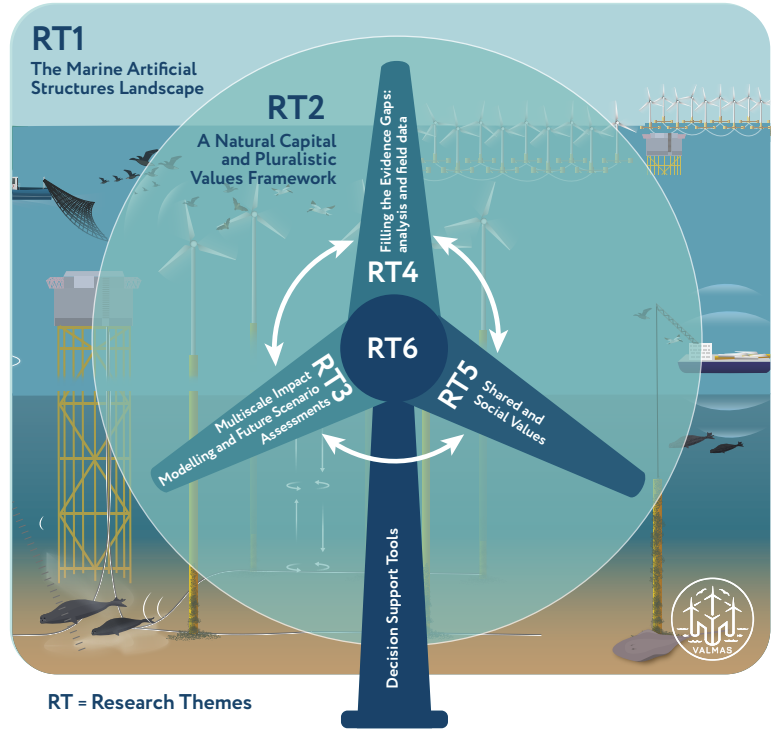
VALMAS addresses this by advancing understanding of the ecological, social, and economic values of MAS and how these evolve under future scenarios. Using cutting-edge modelling, field research, and valuation approaches, the project focuses on blue carbon, fisheries, and biodiversity. It will deliver practical decision-support tools to help policymakers and industry manage trade-offs, minimise harm, and identify nature-positive opportunities within the energy transition.
The VALMAS Vision
A just, nature-positive, and economically efficient energy transition that enhances biodiversity and safeguards ecosystem services, including fisheries and carbon sequestration.
The VALMAS Mission
To empower decision-makers with the evidence-based tools to sustainably manage, operate, and decommission MAS – balancing multiple interconnected environmental, economic, and societal priorities.
The VALMAS Focus
VALMAS outcomes include:
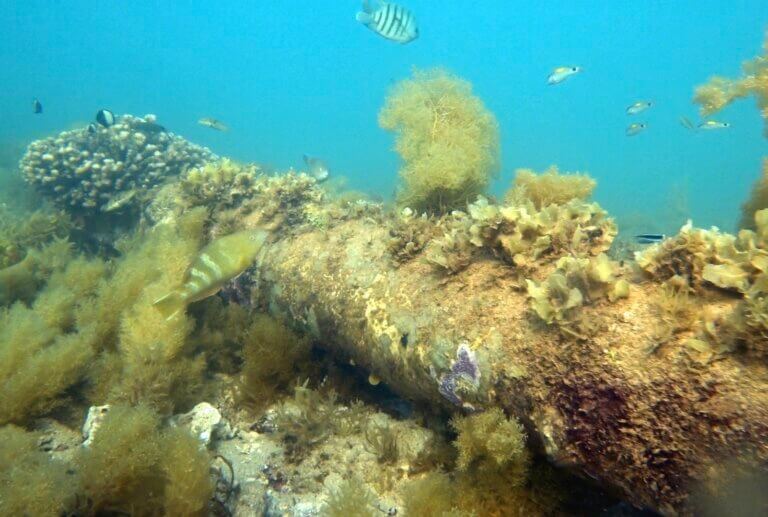
Introducing CoRRODE Image credit: Dr Alethea Madgett Exposure to the subsea environment gradually degrades pipelines,...

Introducing READ-ME Through evidence synthesis, robust social science, advanced stakeholder engagement and immersive 3D visualisation,...
We regularly publish updates on the projects that are directly funded by the Programme and other related research. If you would like to be kept up to date, sign up for our Connections newsletter.